
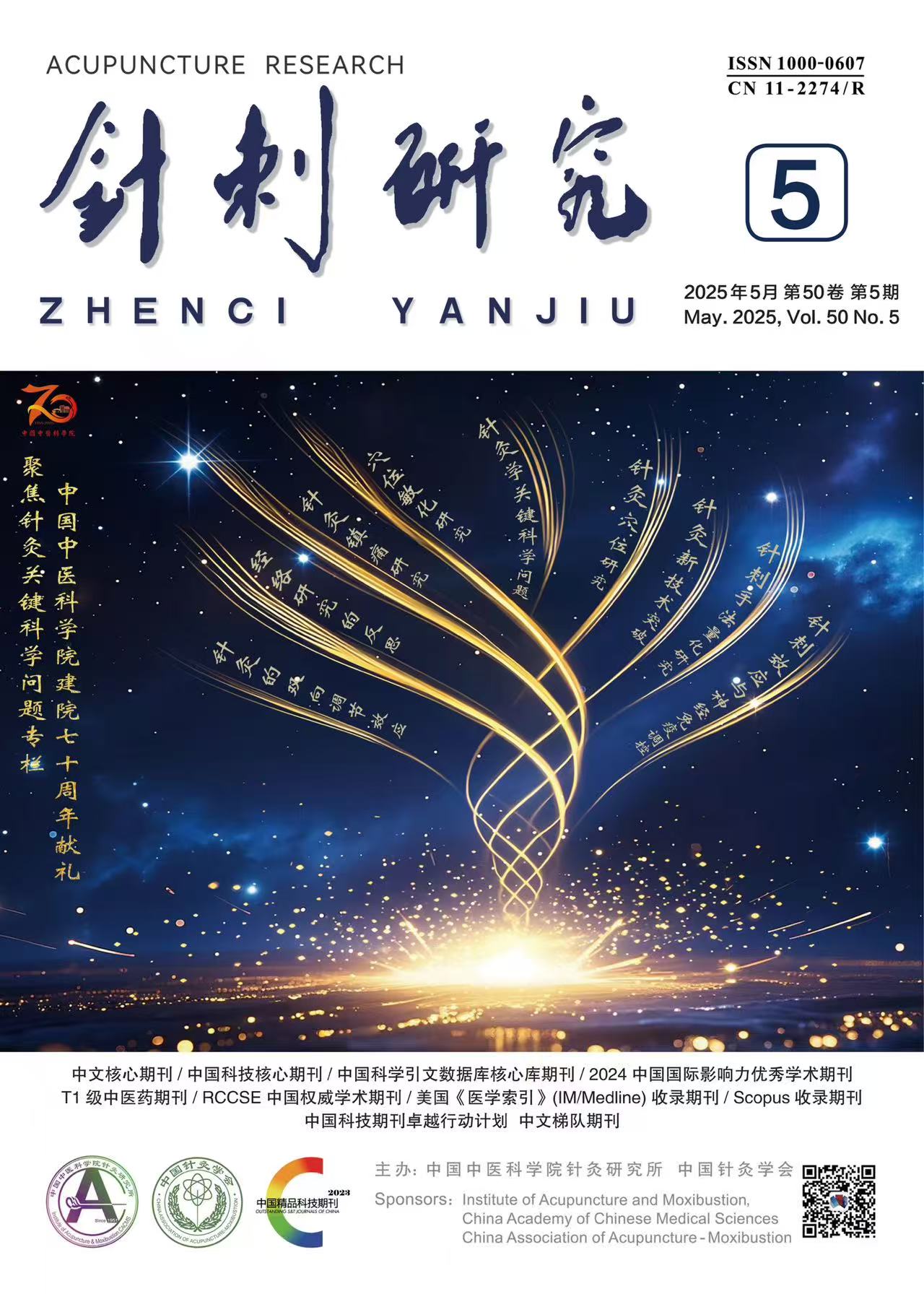
The basic scientific issues of acupuncture and moxibustion, as its name implies, are the most fundamental and critical scientific issues supporting the development of acupuncture and moxibustion discipline. Among them, the research on meridians, acupoints, acupuncture and moxibustion has undergone nearly a century of integration with modern science. Can we derive the core essence of the theory and practice of meridians, acupoints, acupuncture and moxibustion described by ancient people? How can modern scientific research answer the basic scientific questions of acupuncture and moxibustion to support the inheritance, innovation and development of acupuncture and moxibustion?
Acupuncture and moxibustion research has gone through nearly a hundred years of exploration. Although the road is rough, it often turns in a round trip, thanks to those scientists who are good at summarizing, reflecting and making breakthroughs. Therefore, at each key node, it is very important for the stability of acupuncture and moxibustion discipline to think about previous research, propose lessons learned and plan for future development.
This column specially invites front-line scholars to focus on the key scientific issues in the development of acupuncture and moxibustion and summarize the research progress of the basic scientific issues of acupuncture and moxibustion in the past from the aspects of meridian research, acupoint research, acupuncture analgesia, acupuncture manipulation, acupuncture and moxibustion two-way regulation, acupuncture and moxibustion immune regulation, new technology application, and the research focus of eastern and western acupuncture and moxibustion, clarify the facts that have been clarified, break through the limitations of existing research, and look forward to the future development of the discipline.
It is hoped that this column can inspire scholars to establish the backbone of key scientific issues in this discipline, carry out in-depth research, and contribute to the construction of modern acupuncture and moxibustion medical system.
Acupuncture and moxibustion is a unique discipline in China and has been widely used internationally. She transcends tradition and modernity, has gone through vicissitudes, and is still full of vitality. If clinical efficacy is the most important value of acupuncture and moxibustion, it is only from a practical point of view. To develop acupuncture and moxibustion as a discipline, we must not only stay at the level of clinical application, but also establish the certainty and repeatability of acupuncture and moxibustion efficacy on a clear scientific basis, so that acupuncture and moxibustion can have core vitality.
The basic scientific issues of acupuncture and moxibustion, as its name implies, are the most fundamental and critical scientific issues supporting the development of acupuncture and moxibustion discipline. Among them, the research on meridians, acupoints, acupuncture and moxibustion has undergone nearly a century of integration with modern science. Can we derive the core essence of the theory and practice of meridians, acupoints, acupuncture and moxibustion described by ancient people? How can modern scientific research answer the basic scientific questions of acupuncture and moxibustion to support the inheritance, innovation and development of acupuncture and moxibustion?
Acupuncture and moxibustion research has gone through nearly a hundred years of exploration. Although the road is rough, it often turns in a round trip, thanks to those scientists who are good at summarizing, reflecting and making breakthroughs. Therefore, at each key node, it is very important for the stability of acupuncture and moxibustion discipline to think about previous research, propose lessons learned and plan for future development.
This column specially invites front-line scholars to focus on the key scientific issues in the development of acupuncture and moxibustion and summarize the research progress of the basic scientific issues of acupuncture and moxibustion in the past from the aspects of meridian research, acupoint research, acupuncture analgesia, acupuncture manipulation, acupuncture and moxibustion two-way regulation, acupuncture and moxibustion immune regulation, new technology application, and the research focus of eastern and western acupuncture and moxibustion, clarify the facts that have been clarified, break through the limitations of existing research, and look forward to the future development of the discipline.
It is hoped that this column can inspire scholars to establish the backbone of key scientific issues in this discipline, carry out in-depth research, and contribute to the construction of modern acupuncture and moxibustion medical system.
- Postal code:100700
- Tel:010-64089344,64089342 Email:zcyjbjb@vip.163.com
- Technical support is provided by Beijing Founder electronics co., LTD 京ICP备05017590号-8
 京公网安备11010802020460号
 - It is recommended to read the content of this site in Chrome&IE9+. Please switch to extreme mode in browser 360.
- Cookies We use cookies to help provide and enhance our service and tailor content. By continuing, you agree to the use of cookies.